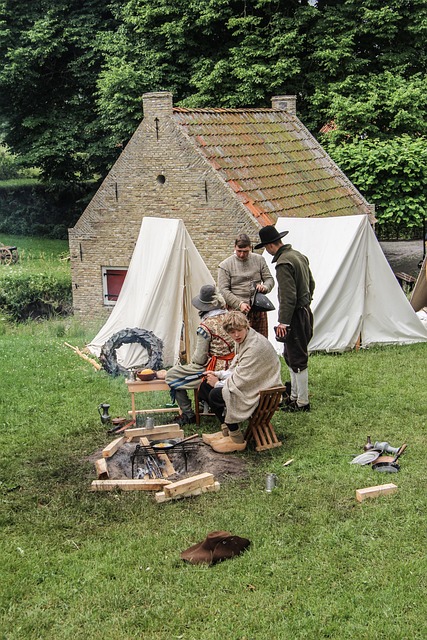
Real estate development must balance modern needs with historical significance by preserving original architectural elements. This involves assessing heritage, prioritizing restoration over replacement, using period-appropriate materials, and consulting experts. Meticulous documentation, research, and adaptive reuse strategies ensure structural integrity and enhance property values while maintaining cultural richness.
Preserving original architectural elements in real estate is a delicate yet indispensable practice for maintaining historical integrity and enhancing property value. However, as development pressures mount, the risk of losing these treasured features to modernization grows. The challenge lies in balancing contemporary needs with preserving the unique character that defines our built environment. This article delves into the strategies and considerations for meticulous restoration, highlighting best practices to safeguard these irreplaceable components while navigating modern real estate demands. By exploring proven methods, we offer valuable insights for professionals and enthusiasts alike, ensuring the longevity of architectural wonders across various landscapes.
Assess Architectural Heritage: Prioritize Original Elements in Real Estate
Preserving original architectural elements is a critical aspect of real estate development that requires careful assessment and strategic prioritization. In today’s market where renovation and redevelopment are common practices, it is essential to recognize and respect the historical and cultural significance of intact heritage features. Real estate professionals must embrace the challenge of balancing modern needs with preserving the past, ensuring that architectural gems are not lost but rather celebrated as integral parts of urban landscapes.
Assessing architectural heritage involves a comprehensive study of a property’s history, construction techniques, and design elements. This process includes identifying original materials, structural integrity, decorative details, and overall aesthetic value. For instance, in historic neighborhoods, maintaining the authenticity of period-specific features such as Victorian-era stained glass or Art Deco fixtures can significantly enhance the area’s character and appeal to potential buyers or tenants. According to a study by the National Trust for Historic Preservation, properties with well-preserved historical characteristics often command higher market values, underscoring the economic benefits of responsible heritage conservation.
In real estate projects, prioritizing original elements means making informed decisions about restoration versus replacement. While some alterations may be necessary for functionality or code compliance, preserving as much of the initial architecture as possible can create a unique selling point. Developers and investors should consult with architectural historians and conservators to gain insights into the structural soundness and potential risks associated with various preservation methods. By carefully navigating these considerations, real estate professionals can contribute to the long-term sustainability and cultural richness of their communities.
Careful Preservation: Strategies for Protecting Historic Building Features
The careful preservation of original architectural elements is a critical aspect of historic building conservation, ensuring these structures remain authentic testaments to their era while serving modern real estate needs. Every detail, from intricate moldings to grand staircases, tells a story and contributes to the overall character and appeal of a property. When restoring or rehabilitating historic buildings, it is essential to adopt strategies that safeguard these elements, preserving their historical integrity while enhancing their longevity.
One key strategy involves meticulous documentation, where architects and conservators create detailed drawings and photographs, cataloging every feature. This process serves as a reference guide during the renovation, ensuring no element is altered or lost without intent. For instance, in a recent renovation of a 19th-century mansion, researchers discovered original floorplan layouts hidden beneath layers of modernization. This discovery guided the restoration team to restore the grand entrance hall and open up the space to its former grandeur.
Additionally, using period-appropriate materials is vital. Restoring a historic building with modern substitutes can devalue its historical significance. In many cases, original materials can be salvaged and reused, such as reclaimed wood for flooring or architectural features, ensuring both authenticity and sustainability. For example, a recent restoration project in an old factory involved reusing the original brick walls, which not only preserved the building’s industrial charm but also reduced the need for new construction materials. This approach not only maintains the historical fabric of these structures but also fosters responsible real estate practices.
Restoring Authenticity: A Guide to Preserving Real Estate's Past Glory
In the realm of real estate, restoring authenticity is a delicate process that requires careful navigation through the past and present. When preserving historical properties, it’s paramount to handle original architectural elements with utmost care. These features are not mere decorations; they encapsulate the essence of a structure’s history and cultural significance. For instance, consider an art deco building in a bustling metropolis—its streamlined facades, geometric motifs, and ornate details tell the story of an era. Preserving these elements is not just about maintaining aesthetics but also preserving a piece of urban heritage.
A strategic approach to restoration involves thorough research and consultation with experts. Historical societies and architectural conservators can provide invaluable insights into the building’s original design and construction methods. For example, in 2019, a comprehensive study revealed that many art deco buildings in major cities had unique insulation techniques, now considered rare and valuable historical practices. Implementing these findings during restoration ensures both authenticity and structural integrity. Furthermore, using period-appropriate materials and craftsmanship cultivates a genuine connection to the past, making each restored property a testament to real estate’s rich tapestry.
Practical steps include creating detailed as-is drawings of existing architectural elements, documenting any previous alterations, and identifying original materials. Restoration teams should aim to return the structure to its former glory while ensuring it meets modern safety standards. For instance, repairing or replicating broken terra cotta panels, restoring stained glass windows, or replastering walls can dramatically enhance a property’s authenticity. In some cases, adaptive reuse strategies allow for contemporary updates while preserving key historical features, creating a harmonious blend of old and new.