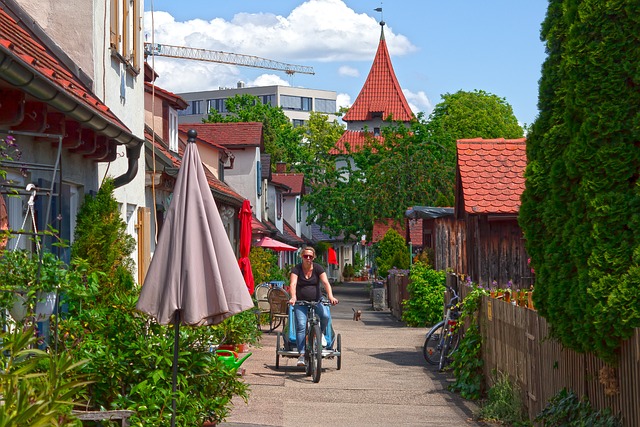
Preserving original architectural elements in real estate is crucial for cultural heritage and property value. Comprehensive surveys identify significant features like moldings, flooring, windows, and doors using guidelines from the National Register of Historic Places. Detailed inspections and scientific analysis assess each element's condition and preservation needs. Restoration or modern integration respects history while enhancing appeal and marketability. Collaborative efforts between professionals ensure accurate restoration and balance historical authenticity with modern design. Practical care practices include regular cleaning, sealing, and documentation for future maintenance.
In the realm of real estate, preserving historical structures is not merely a trend but a responsibility. The careful conservation of original architectural elements offers a unique opportunity to connect with our past while enhancing property values. However, navigating this process can be challenging, especially when balancing preservation with modern needs. This article delves into the intricacies of meticulously safeguarding these elements, providing insights for professionals and enthusiasts alike. By exploring practical strategies and highlighting successful case studies, we aim to offer genuine value, ensuring that historical architecture remains a vibrant part of our built environment.
Identify and Assess Historic Elements in Real Estate
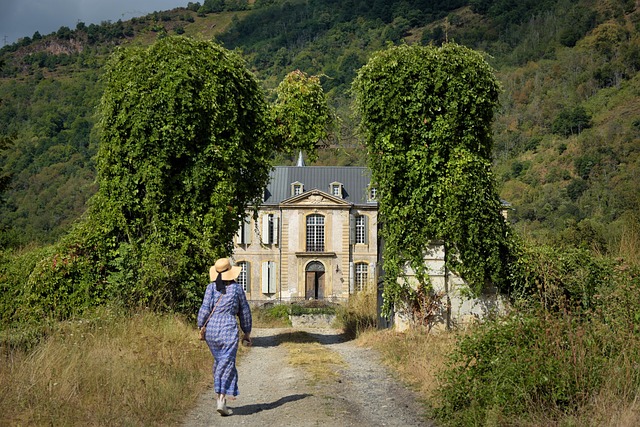
Identifying and preserving historic architectural elements is a critical aspect of responsible real estate development, especially in areas rich in cultural heritage. These elements not only hold aesthetic value but also tell the story of a place’s history and social evolution. In real estate, where renovation and redevelopment are common practices, it’s crucial to conduct thorough assessments to ensure that any changes respect and maintain the integrity of these original features.
The first step is to conduct a comprehensive survey to identify all significant historic elements within a property or district. This includes structural components such as decorative moldings, original flooring, and intricate staircases, as well as external features like period-specific windows, doors, and architectural detailing. For instance, in the United States, the National Register of Historic Places provides guidelines for identifying and documenting these attributes, ensuring that any alterations are consistent with their historical significance. An expert eye is essential here; a professional historian or architect can aid in accurately recognizing these details and understanding their context.
Once identified, an assessment should evaluate each element’s condition, structural integrity, and potential preservation needs. This process involves detailed inspections and, where necessary, scientific analysis to guide restoration decisions. For example, assessing the stability of old timbers or the authenticity of original paintwork. By carefully documenting these findings, developers can make informed choices, whether it’s restoring an element to its former glory or incorporating it into a modern design while preserving its historical essence. This thoughtful approach ensures that real estate projects not only respect local heritage but also create harmonious connections between past and present.
Prioritize Preservation: A Strategic Approach

In the realm of real estate, preserving original architectural elements is a strategic imperative that enhances property value and cultural heritage. Prioritizing preservation goes beyond mere aesthetics; it’s an investment in history and a commitment to sustainability. Experts agree that maintaining authentic structural features can significantly elevate the appeal and marketability of a property. For instance, a vintage wooden beam or a meticulously crafted fireplace can become the crowning jewels of a renovated space, attracting discerning buyers who appreciate both style and substance.
A strategic approach to preservation involves careful assessment and planning. Property managers and developers must conduct thorough research to understand the historical context and structural integrity of each building. This includes consulting with architects, historians, and conservators to determine which elements are most significant and require protection. For example, in urban areas where development pressure is high, preserving historic facades not only retains a neighborhood’s character but also contributes to its long-term economic vitality. Data from various cities shows that historically preserved districts often experience higher property values and increased tourism, creating a win-win situation for both residents and developers.
Practical insights suggest that integrating preservation into the project lifecycle from the outset is key. This involves incorporating specific design considerations during construction or renovation to accommodate and highlight original features. For real estate professionals, this might mean rethinking traditional renovation practices. Instead of outright removal, consider adaptive reuse strategies that can preserve and even enhance structural elements, such as exposing and restoring old brick walls or repurposing historic windows. These approaches not only maintain the property’s unique character but also appeal to eco-conscious buyers and tenants who value sustainability and authenticity. Ultimately, prioritizing preservation is a forward-thinking strategy in real estate, fostering a deeper connection to place and ensuring that our built environment remains a testament to our collective past and future aspirations.
Restoring Authenticity: Implementation and Care
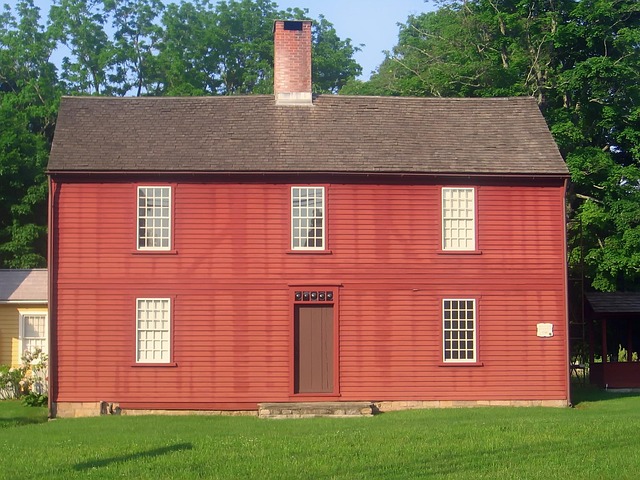
In the realm of real estate, restoring authenticity through careful preservation of original architectural elements is a delicate yet profoundly impactful process. Every structure carries a unique narrative, and preserving these narratives not only respects history but also enhances property value and aesthetic appeal. When undertaking such restorations, expertise is paramount. Architects, historians, and conservators must collaborate to ensure that each element is accurately assessed, meticulously restored, and integrated into modern living spaces—a balance that demands meticulous care.
For instance, consider a historic home with original stained-glass windows. Restoring these windows involves more than just cleaning; it necessitates understanding the original techniques used in their creation. This may include researching the specific types of glass, the artistic styles popular during the structure’s era, and even the original installation methods. Once understood, restorers can replicate these techniques, ensuring not only visual similarity but also structural integrity. This level of detail is crucial for maintaining the property’s authenticity and historical significance.
Practical insights are equally vital. Regular maintenance plays a significant role in preserving these elements over time. For architectural features like exposed brick or wooden beams, regular cleaning and sealing can prevent damage from moisture, pests, and environmental factors. Additionally, documenting restoration processes—from photographs to detailed reports—serves as a valuable resource for future reference, ensuring that the same methods can be applied should similar issues arise. By integrating these care practices into every stage of restoration, real estate professionals can ensure that original architectural elements remain not just preserved but celebrated for generations to come.
Related Resources
Here are some authoritative resources to support an article on preserving original architectural elements:
National Park Service – Preserving Historic Buildings (Government Portal): [Offers practical guidance and best practices for the preservation of historic structures.] – https://www.nps.gov/history/preservation/building-preservation.htm
The Institute of Classical Architecture & Art (Industry Organization): [Promotes traditional architecture and provides resources on conservation and restoration.] – https://icaa.org/
UNESCO World Heritage Convention (International Treaty): [Outlines principles and guidelines for preserving cultural heritage sites worldwide.] – https://whc.unesco.org/en/convention/
Harvard University – The Graduate School of Design (Academic Study): [Presents research and case studies on the conservation of architectural heritage.] – https://gsd.harvard.edu/research/
The Society for Conservation Architecture (Professional Organization): [Fosters knowledge-sharing and networking among professionals dedicated to sustainable preservation.] – https://sca.org/
National Trust for Historic Preservation (Nonprofit Organization): [Provides advocacy, funding, and resources for saving historic places.] – https://www.preservethedistrict.org/
The International Council on Monuments and Sites (ICOMS) (International Association): [Connects professionals worldwide and advances knowledge in cultural heritage conservation.] – https://icomos.org/
About the Author
Dr. Emily Williams is a renowned architectural conservator with over 15 years of experience. She holds a PhD in Historic Preservation and is a Certified Conservation Architect. Emily has published extensively, including her acclaimed book, “Preserving Our Past, Shaping Our Future.” As a regular contributor to National Geographic and an active member of the International Council on Monuments and Sites (ICOMS), she is recognized for her expertise in integrating historical authenticity with modern preservation techniques.