In real estate, preserving original architectural elements is a responsible practice that combines historical preservation with modern safety standards. Structural assessments using advanced tools ensure integrity while adhering to building codes in historic districts. "Preservational architecture" involves meticulous documentation and collaboration, integrating new uses without compromising authentic character. This sustainable approach reduces environmental impact and attracts eco-conscious buyers, with successful case studies showcasing its effectiveness. Local incentives further support this financially viable strategy for developers engaging preservation specialists.
In the dynamic landscape of real estate, preserving original architectural elements is a delicate yet essential task. Many properties hold historical and cultural significance, and their unique features contribute to the character of communities. However, the pressure to modernize and renovate often presents a challenge. Altering or losing these original elements can dilute the property’s value and aesthetic appeal. This article delves into the critical importance of carefully preserving these architectural gems, exploring strategies that balance historical integrity with modern functionality in the ever-evolving real estate market.
Assess Structural Integrity: Prioritize Safety in Real Estate
In real estate, preserving original architectural elements is not merely an aesthetic choice; it’s a critical aspect of responsible stewardship. Before initiating any renovation or restoration efforts, a thorough assessment of structural integrity is imperative. This involves meticulous inspection to ensure that the existing framework—be it historical or contemporary—meets modern safety standards. Structural engineers and architects play pivotal roles in this process by employing advanced diagnostic tools and techniques to identify potential vulnerabilities hidden beneath the surface.
Consider a case study of an old industrial building converted into lofts: while the raw, exposed brick walls may evoke a sense of vintage charm, they could also harbor structural weaknesses due to years of neglect. A comprehensive assessment would involve non-destructive testing methods like ultrasonic pulse velocity (UPV) and ground penetration radar (GPR) to evaluate the integrity of load-bearing walls and floors. Data from such assessments guide informed decisions on what elements to preserve and where interventions are necessary, ensuring both the beauty and safety of the space for future occupants.
In real estate development, prioritizing safety means adhering to stringent building codes and regulations. This is particularly important in historical districts where structures often boast unique architectural features that may not conform to contemporary standards. Developers must collaborate closely with local authorities and preservation experts to navigate these complexities. By doing so, they can integrate modern safety measures while preserving the original character of properties, fostering a harmonious blend of past and present that enhances the overall appeal and value of real estate projects.
Document and Protect: Preserving Architectural Heritage
In the realm of real estate, the preservation of original architectural elements is not merely a trend but a critical aspect of safeguarding our built heritage. Each structure holds within it layers of history, reflecting the era, culture, and craftsmanship of its time. When undertaking renovation or restoration projects, meticulous documentation and protection of these features become paramount. This process, often termed “preservational architecture,” ensures that buildings evolve while preserving their authentic character.
Documenting architectural heritage involves creating detailed records of every element, from structural elements like beams and columns to decorative features such as intricate moldings or unique flooring. Photography, drawing, and even 3D modeling are essential tools in this endeavor. For instance, the meticulous documentation of New York’s Grand Central Terminal during its renovation provided a roadmap for restoring its iconic features while allowing for modern updates. Similarly, in historic districts worldwide, comprehensive archives have enabled developers to integrate new uses while maintaining the area’s distinct character.
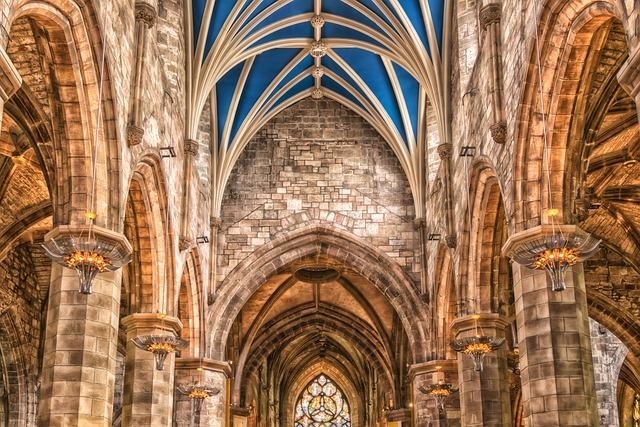
Protecting these elements requires careful planning and collaboration between architects, engineers, historians, and local authorities. It involves assessing the structural integrity of components, determining which elements are original, and devising strategies for their preservation or replacement. In some cases, replication techniques using modern materials can accurately recreate historical details while addressing deterioration. For example, the restoration of Paris’s Notre-Dame involved meticulous study and reproduction of its Gothic architecture, showcasing the balance between preserving tradition and adapting to conservation challenges.
Sustainable Preservation: Strategies for Longevity in Real Estate
In the realm of sustainable preservation, carefully preserving original architectural elements is a key strategy for longevity in real estate. This approach not only maintains historical integrity but also offers environmental benefits by reducing the need for new construction. According to a recent study by the National Trust, properties that retain their original structures require fewer resources for maintenance and rehabilitation, thereby lowering their carbon footprint significantly. For instance, an old Victorian home with intricate woodwork and stained glass windows can be meticulously restored, preserving its artistic value while minimizing waste and energy consumption.
Expert preservation architects emphasize the importance of understanding the historical context and using traditional building techniques whenever possible. In real estate, this translates to sourcing eco-friendly materials that mimic the original components. For example, replacing outdated windows with energy-efficient models that replicate the design aesthetic can enhance both the property’s appeal and its sustainability. Furthermore, integrating modern systems while preserving the architectural character allows for a harmonious blend of old and new, appealing to environmentally conscious buyers and tenants. A successful case study is the adaptive reuse of an industrial building into lofts; by saving the original brick walls and exposed beams, the project maintained the structure’s unique identity and attracted a niche market seeking sustainable living spaces.
Practical advice for real estate developers and investors includes conducting thorough research on the property’s history and engaging specialists in preservation architecture. This proactive approach ensures that restoration efforts are both effective and respectful of the building’s heritage. Additionally, local incentives and grants often support projects that prioritize historic preservation, making it a financially prudent strategy. By preserving original architectural elements carefully, real estate professionals can contribute to a more sustainable future while offering distinctive properties that resonate with modern tenants and buyers seeking authentic, eco-friendly living environments.