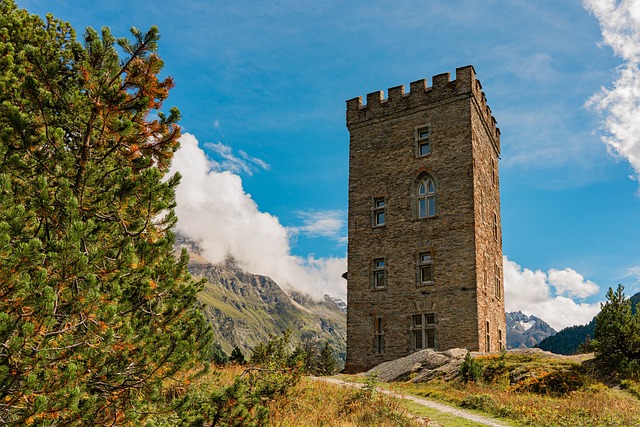
In real estate, preserving original architectural elements enhances historical value, attracts discerning buyers, and increases property marketability. Expert evaluators identify key features to determine a building's era and design influences. Strategic interventions, guided by architectural historians and restoration experts, ensure preservation while allowing for sensible updates. This practice is particularly crucial in historic districts, where strict guidelines maintain original character. Properties with well-preserved details command premium prices, making it a financially sound decision for developers and investors.
Preserving original architectural elements is a nuanced challenge within the dynamic landscape of real estate. As development pressures intensify, the delicate balance between modern design and historical integrity becomes paramount. The problem lies in the risk of losing cultural heritage and the unique character that defines our built environment. However, careful consideration and innovative strategies can mitigate these concerns. This article delves into the intricacies of preserving architectural elements, offering practical insights for professionals and enthusiasts alike to navigate this intricate dance between progress and preservation.
Assess Historic Value: Identifying Key Architectural Elements in Real Estate
In real estate, preserving original architectural elements carefully is not merely a trend but a necessary practice to maintain the historic value and character of properties. Assessing the historic value of a building involves identifying and recognizing key architectural elements that contribute to its unique character. This process requires a deep understanding of the building’s era and design principles, as well as an eye for detail. For instance, a 19th-century mansion might feature ornate moldings, grand staircases, and original hardwood floors, all of which are integral to its historical integrity.
Expert evaluators often look for specific architectural elements such as structural materials, window and door frames, mantles, and light fixtures, as these can provide insights into the building’s construction date and design influences. According to a recent study, properties with well-preserved historic elements can command significantly higher prices and attract discerning buyers who appreciate authenticity. Data from the National Trust for Historic Preservation shows that historic districts with carefully preserved architecture have seen a 15% increase in property values over the past decade.
To ensure the preservation of these valuable elements, real estate professionals and property owners should engage in proactive measures. This includes conducting thorough inspections, consulting with architectural historians, and collaborating with specialized restoration experts. By prioritizing the preservation of original architectural elements, real estate stakeholders can contribute to the cultural heritage of their communities while also enhancing the marketability and long-term value of their properties.
Careful Preservation Techniques: Protecting Heritage Structures
The careful preservation of original architectural elements is a critical aspect of protecting heritage structures in real estate. Every building tells a story, and these tangible connections to our past are invaluable assets. When preserving historical properties, experts emphasize the importance of adopting meticulous techniques that safeguard the structure’s authentic character while allowing for sensible updates. This delicate balance ensures that future generations can appreciate the architectural heritage just as it was intended.
One effective strategy involves meticulous documentation and research. Prior to any renovation or restoration, a comprehensive study of the building’s history, original design, and construction methods is essential. Architectural historians and conservators can analyze historical blueprints, consult with local archives, and even involve community members who have lived in or remember the structure. This thorough approach ensures that interventions are informed, respectful, and true to the building’s roots. For instance, a recent project on a historic home in Boston involved extensive research, which revealed original wood paneling hidden beneath layers of paint. Revealing this detail not only enhanced the property’s value but also paid homage to its rich history.
In practice, preserving original elements can range from simple aesthetic choices to complex structural modifications. For interior spaces, retaining original hardware, flooring, or moldings can instantly convey a sense of place and era. In more extensive renovations, re-creating or replicating historical features accurately becomes a fine art. This might include crafting custom fixtures to match period details or using sustainable materials that mirror the original while meeting modern standards. In the real estate market, properties with carefully preserved heritage elements often attract discerning buyers who appreciate both history and quality craftsmanship. As a result, these structures can command premium prices and have higher rates of occupancy, making preservation a financially sound decision for developers and investors.
Restoring Authenticity: Strategies for Maintaining Original Architectural Features
Preserving original architectural elements is a cornerstone of responsible real estate practices. Restoring authenticity goes beyond aesthetics; it ensures historical continuity and enhances the intrinsic value of properties. When tackling renovation projects, every effort should be made to maintain or revive these defining features. For instance, in cities like New York, where historic districts are prevalent, strict guidelines govern alterations, preserving the original character that contributes to a neighborhood’s charm and market appeal.
Strategic approaches include meticulous documentation, utilizing historical archives and architectural plans to guide restoration efforts. Material selection is crucial; replicating or sourcing compatible materials ensures both visual and structural integrity. Consider the example of restoring a vintage window: using authentic wooden frames and glass types that align with the era of the building is essential for maintaining authenticity. This attention to detail not only preserves the past but also creates a unique selling point in the real estate market, attracting buyers who appreciate historical value.
Expertise plays a pivotal role; engaging architects or conservators specializing in historic preservation ensures accurate restoration techniques. These professionals can navigate the labyrinthine process of preserving rare or unconventional elements, such as intricate moldings or original lighting fixtures. Data suggests that properties showcasing well-preserved architectural details command premium prices, highlighting the financial benefits of meticulous restoration practices in real estate. Ultimately, maintaining original features is a responsible and lucrative strategy for both historical preservation and property investment.